
Where It All Began
I began competitive cheerleading at six years old, starting out as a typical after-school club. From the very beginning, I was hooked; the adrenaline, the performance, and the intensity of competition. What started as fun quickly became something far bigger.
I cheered with Rising Stars, working my way through the entire programme and competing on every level from 1 to 5. Through relentless training and an unwavering drive to improve, I earned my place on one of the strongest teams in the country, Rising Stars Midnight. We achieved countless national titles and Grand Champion wins, and those years built the foundations of my discipline, work ethic, and love for competition.
The World Stage
In 2018, I made Midnight and competed at the World Championships for the first time. I returned again in 2019, finishing 7th in the world, an achievement I will always be proud of. Those moments on the mat represented years of dedication, sacrifice, and belief.
Leading From the Front: University Cheer
When I moved to university, cheerleading came with me. I joined the uni team as a slightly naïve fresher on the Level 3 competition squad, before being elected Vice Captain in my second year.
By my final year, I became Competition Captain, coaching over 60 athletes and choreographing routines alongside one of my closest friends, Sadie. Leading the team taught me responsibility, resilience, and how to inspire others while still holding myself to the highest standards.
Still Chasing the Dream
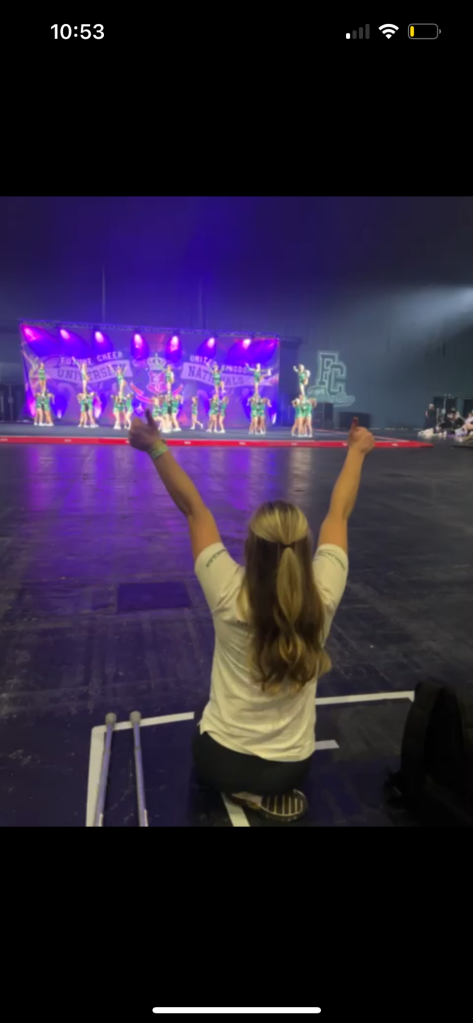
Alongside university cheer, I continued competing externally. I joined an international non-tumble Level 6 team, Killer Queens, with EMCA (East Midlands Cheer Academy), and returned to the World Championships in 2023.
I re-made the team for the 2024 season and spent the entire summer training relentlessly. I was one week away from our first competition when everything changed.





The First Setback
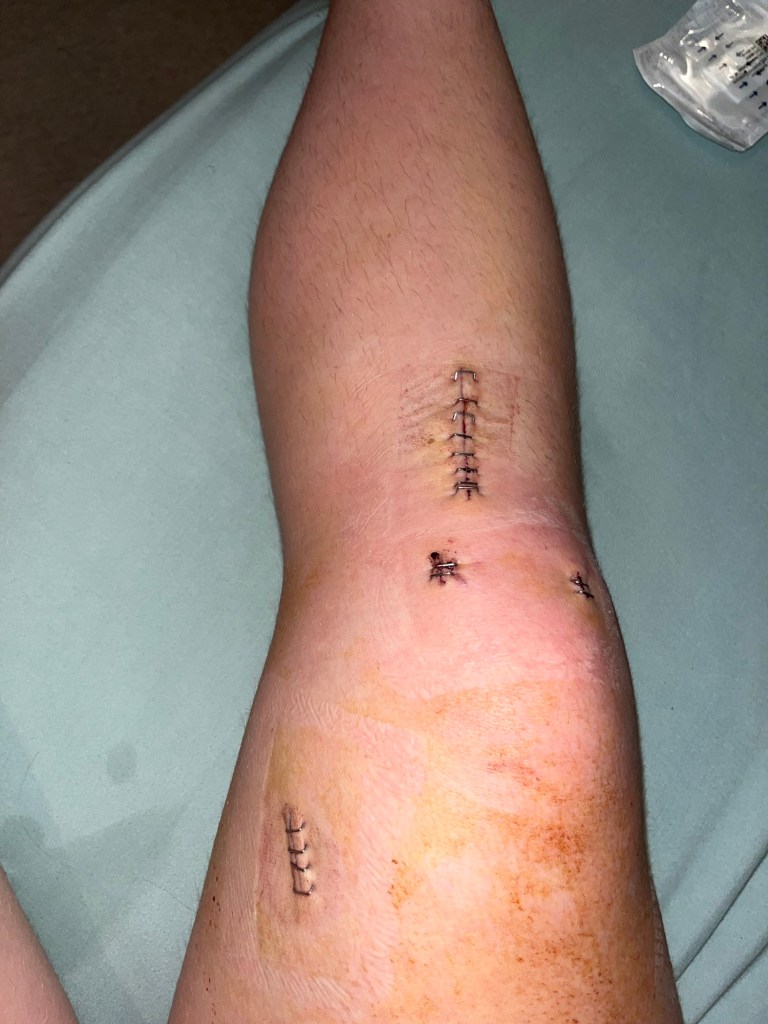
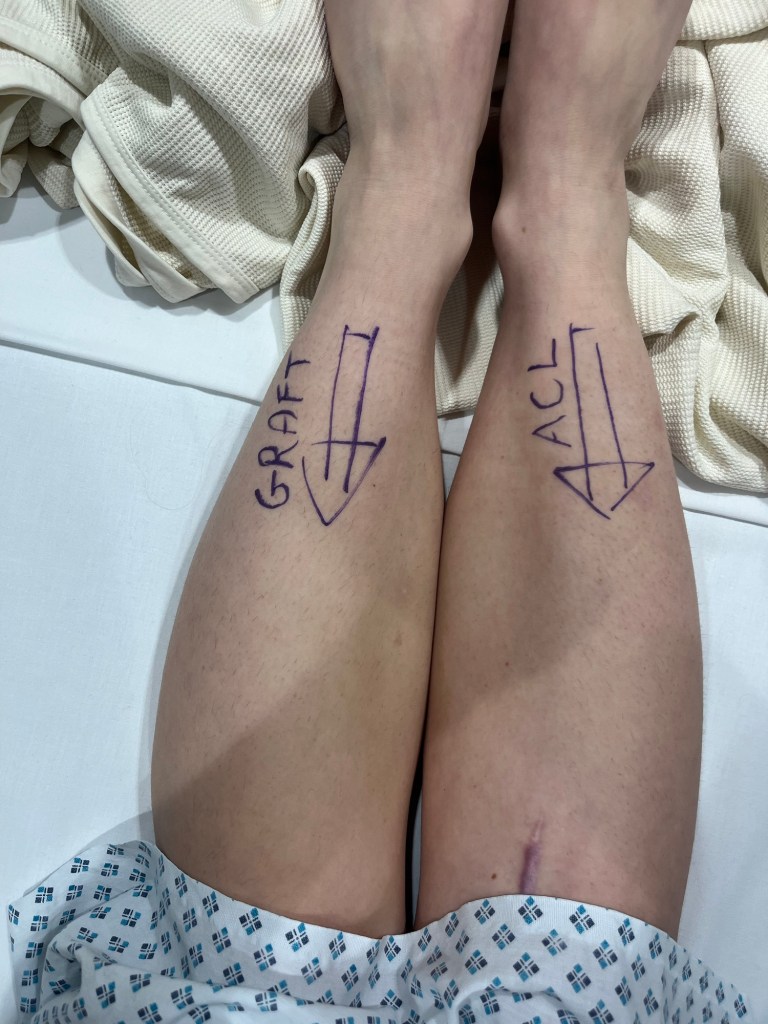
In November 2024, I tore my ACL during cheer training. In January, I underwent surgery, opting for a hamstring graft repair. Both hamstrings were weak, and rehab was slow, painful, and mentally exhausting.
At the same time, I was in my final year of university. I took time out to recover at home while juggling essay deadlines and my dissertation. Unable to physically move while watching my teammates continue without me, was a tough experience.
I spent eight months grinding through rehab; relearning how to walk, rebuilding trust in my body, and dreaming of the day I could return to the sport that had defined most of my life.


When It Happened Again
In September 2024, my knee gave way again. I was told it was likely just a strain, something minor. I tried to believe it. I tried to push through.
It wasn’t minor. It was a full ACL rupture. Again. Another hamstring graft. Both hamstrings still weak. The same injury, repeating itself. The physical pain was intense, but the mental toll was far heavier: the shock, the despair, and the feeling of being trapped in an endless cycle of loss.
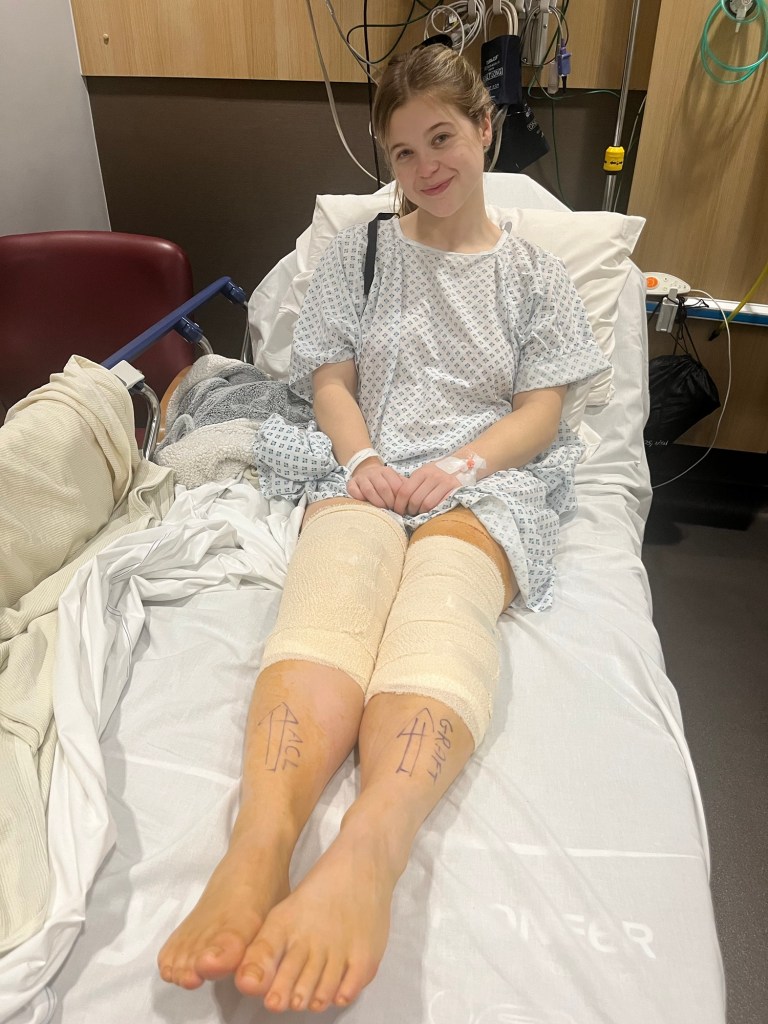
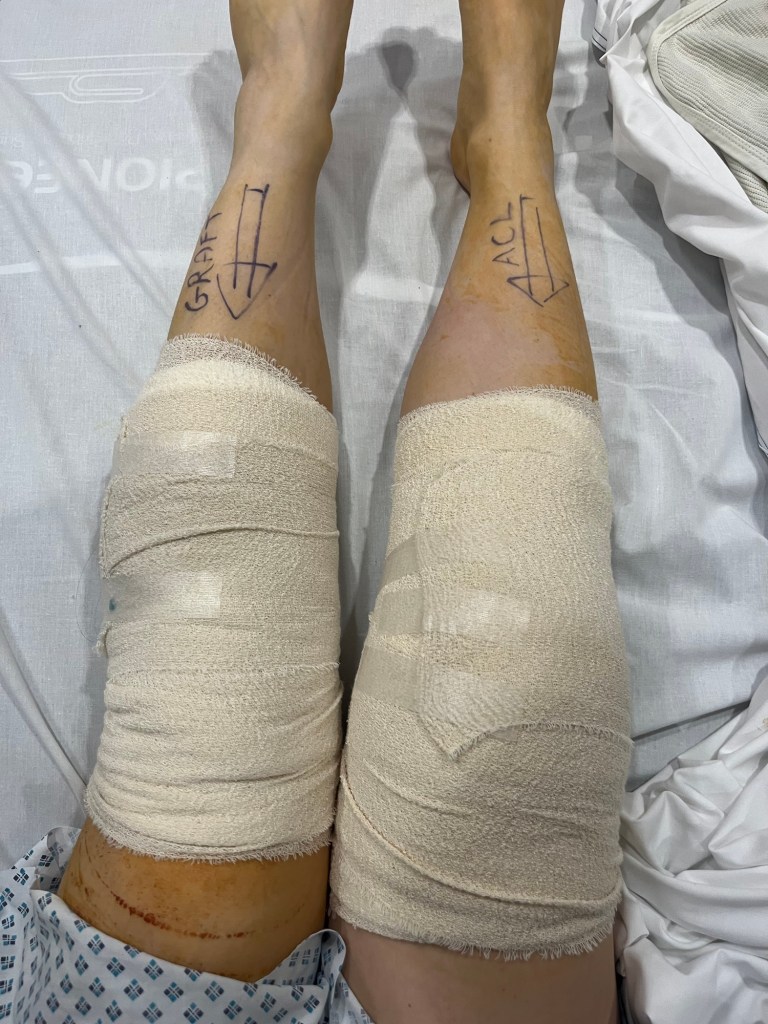
Cheerleading was my language, my outlet, and my community. It shaped who I am, taught me discipline, teamwork, and courage, and gave me a sense of purpose that I could wear like a badge. To have it taken away, not once but twice, felt like losing a piece of myself.
The Reality of Rehab
Rehab the first time is brutal. The early weeks are relentless: pain, immobility, frustration, and constant mental battles.
But going through it again is a different kind of challenge. You carry the memory of the first recovery, so every step, every exercise, every twinge becomes a reminder of how fragile things feel and how much is at stake.
Yet, amid the pain and disappointment, I’ve learned some lessons that no trophy or medal could teach me:
1. Identity is more than one role.
For so long, I equated my worth with my performance on the mat. Losing that ability forced me to confront a painful truth: I am more than my sport. My kindness, my determination, my creativity, they are all parts of who I am, and they can’t be stripped away by injury.
2. Strength is both physical and mental.
Yes, rehab rebuilds muscles and ligaments, but it also builds patience, resilience, and grit. I’ve learned to celebrate small victories: bending my knee without pain, climbing stairs without hesitation, taking one more cautious tumble into a tumble track.
3. Resilience is about showing up anyway.
There were days I wanted to quit, to give in to bitterness or self-pity. But resilience isn’t about never feeling broken; it’s about choosing to keep moving, even when the road ahead is steep and uncertain.
4. Vulnerability is a strength.
Talking about my fears, frustrations, and doubts hasn’t made me weaker; it’s made me human. It’s reminded me that asking for support and leaning on my community is not just ok. It’s essential.
Unlearning Perfection
Cheerleading shaped my standards long before I realised it. From a young age, perfection was the goal; straight legs, pointed toes, no wobbles, no mistakes. You train your body to perform under pressure, to smile through exhaustion, to make everything look effortless, even when it isn’t. Over time, that mindset began to manifest in different areas of my life.
It showed up in how I spoke to myself, how much pressure I placed on my body, and even in my relationship with food. Control became comforting, and routine felt like safety. I expected more from myself than I would ever expect from anyone else. Mistakes felt like failures, rest felt like weakness, and slowing down felt uncomfortable. If I wasn’t progressing, achieving, or pushing forward, I felt like I was falling behind.
Injury forced me to confront that mindset head-on. Letting go of control; especially around food, rest, and movement was one of the hardest but most necessary parts of healing. Rehab doesn’t reward perfection. It demands patience. Progress is slow, messy, and non-linear. Some days your body cooperates, and some days it doesn’t. And for someone who was used to control and precision, that lack of certainty was one of the hardest lessons of all.
I’ve had to learn how to combat that perfectionism, to soften my expectations and redefine success. Success now looks like listening to my body, resting without guilt, and allowing myself to be human. To nourish my body without guilt. To move without punishment. It’s understanding that growth doesn’t always look impressive and that healing isn’t something you can rush or perfect your way through.
Cheer taught me discipline, focus, and resilience, but it also taught me rigidity. Now, I’m learning balance. I’m learning that I don’t have to earn rest, that my worth isn’t measured by output, and that progress doesn’t have to be flawless to be meaningful. Letting go of perfection has been just as challenging as rebuilding my strength, but just as important.
Moving Forward
This journey hasn’t been easy, but I’m beginning to see that the pain, the setbacks, and the lost moments are shaping a new kind of person. One who can endure, adapt, and find purpose beyond a single identity.
More than anything, this journey has taught me gratitude. I’m grateful simply to move my body again; to walk, to stretch, to feel strength returning. Movement no longer feels like something I take for granted, but something I honour. I appreciate it in a completely new way, not for performance or perfection, but for what it allows me to feel: alive, capable, and present.




 Soph’s Scribbles
Leave a comment